Penarth Dock, South Wales - 150 years - the heritage and legacy  
Penarth Dock, South Wales - the heritage & legacy . . .

Volume Nine - Pre-Victorian to the present day - even more aspects - The Railway Infrastructure of Penarth Dock and Ely Tidal Harbour   . . .

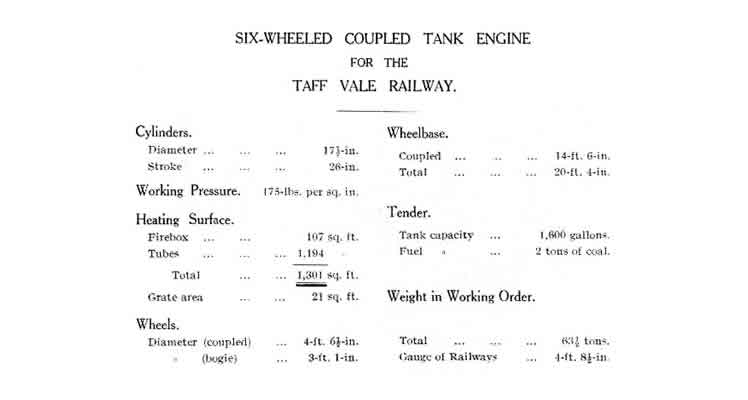
Taff Vale Engine No.1 Class - Type 0-6T-2 - A TVR schematic which appears to have been issued by the GWR at Swindon given that the TVR and GWR engine numbers are indicated on the reverse. Another heritage artifact held within the Penarth Dock Collection. [001] [20200317]

 
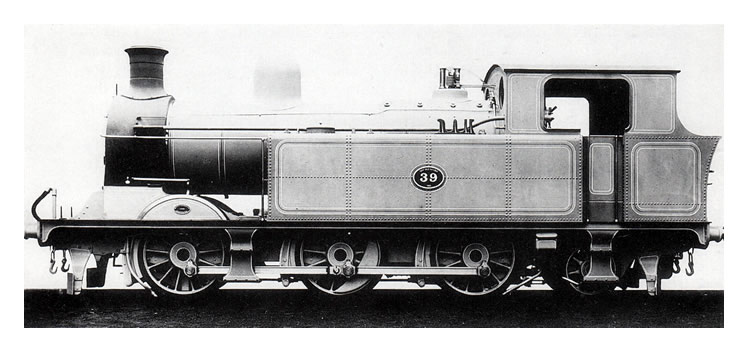
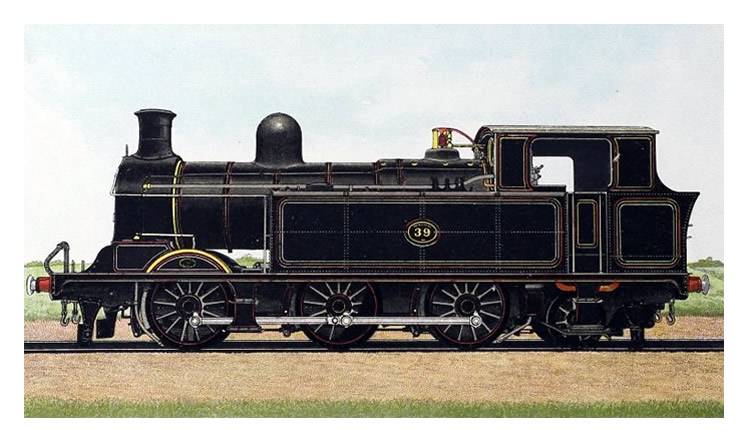
TVR 0-6-2T locomotive No.39.

Although this TVR 0-6-2T locomotive No.39 was apparently not assigned to the Penarth Dock Engine Shed, it was one of a class introduced between 1907 and 1910. This fine engine was built by Beyer Peacock in 1908 and became GWR No. 286 at the 1922 reorganisation of the railway system.

Many thanks for the photograph, the credits for which are assigned to the Oakwood Press Collection and which appears within 'The Taff Vale Lines to Penarth'. [026] [774] [20200414]

 
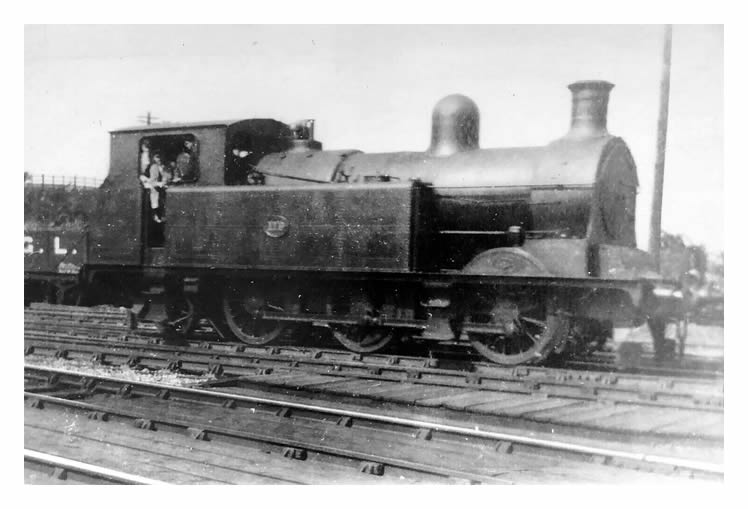
TVR No. 110 (GWR No.313).
Another locomotive from the same class as that above. TVR No. 110 (GWR No.313) was built at the Vulcan Foundry in 1910. [002] [20200503]

 
TVR No. 17 - The entry within the locomotive list as originally compiled by the foundry drawing office at the Vulcan Foundry.

TVR No. 17 - The entry within the locomotive list as originally compiled by the foundry drawing office at the Vulcan Foundry in 1910.

'The Vulcan Foundry was founded in 1830 by Robert Stephenson in collaboration with Charles Tayleur, a Liverpool Engineer and owner of the Bank Quay foundry in Warrington. Robert Stephenson was managing a Locomotive Works in Newcastle-on-Tyne at this time, but finding it extremely difficult to transport heavy locomotives from Newcastle to Lancashire for use on the Liverpool & Manchester Railway. To remedy this problem he went into partnership with Charles Tayleur and built a second factory, in Lancashire, exactly half-way between Liverpool & Manchester in Newton-le-Willows.' Many thanks to the excellent web archive at enuii.com for this information. [785] [20200605]

 
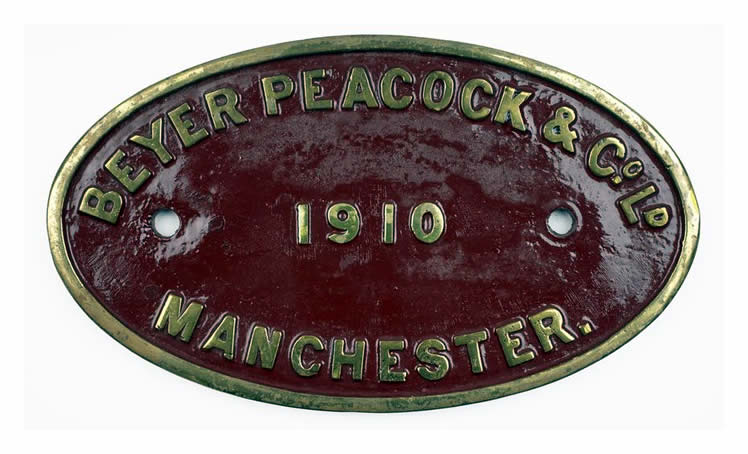
Beyer Peacock & Co. Ld., Manchester in 1910.
Beyer Peacock & Co. Ld., Manchester in 1910. A contemporary locomotive builders plate of the 1910 TVR 0-6-2T, No. 119, but  from an exported locomotive for the New South Wales Government Railways being a 32 Class Locomotive, 4-6-0. [Museum Item ST 31448] [787] [20200606]

 
Taff Vale Railway engine No. 119. [000] [002]


Taff Vale Railway Tank Locomotive 39
Designed by Mr. T. Hurry Riches, Locomotive Superintendent
Diameter of Coupled Wheels, 4 ft. 6½ in.   Diameter of Cylinders, 17½in.   Stroke, 26 in.
Heating Surface: Fire Box, 107 sq. ft.   Tubes, 1,194 sq. ft. ; Fire Grate Area, 21 sq. ft.

as illustrated within The Railway Magazine. - The Railway Magazine [053] November 1908.

 
'The development of mixed-traffic tanks was further progressed in classes 'O2' and 'O3' of 1899 and 1902/03, totaling twenty-four engines. They would all be withdrawn between 1926 and 1934, except for two 'O3' class 0-6-2T's which strangely just survived into BR ownership in 1948. The picture shows former Taff Vale Railway 0-6-2T No. 58 - Beyer, Peacock & Co. Ltd. (Works No. 5131) of 1908 - as GWR No. 292 at Coke Ovens shed, Pontypridd, an engine shed that was subsequently closed by the Great Western. The RCTS description, not unfairly, refers to the particularly thick and ugly-looking cast-iron chimney that was fitted to the class. Locomotive No. 292 received a GWR boiler in 1926 and it would be withdrawn from service in 1952.' - Steam Days Magazine No. 271 [1037] March 2012. [20220715]

 
© 2014 - 2025 - penarth-dock.org.uk - all rights reserved - web design by Dai the Rat