|
|
Penarth Dock, South Wales - the heritage & legacy . . . |
|
|
Penarth Dock, South Wales - the heritage & legacy . . . |
 |
|||||||
 |
Volume Ten - Pre-Victorian to the Present Day - Even more aspects - Investigation into the Condition of the Ely River Subway 1991 . . .
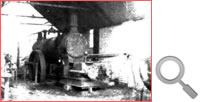
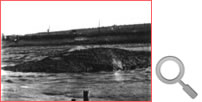
The tunnelling technique adopted for the construction of the Subway would have been similar to that used today, however the problems of maintaining a dry excavation using compressed air must have been considerable. The pressure of the compressed air is necessary to balance the hydrostatic pressure due to the height of the water table above the tunnel. However the air pressure is constant over the height of the excavation whereas the hydrostatic pressure increases with depth; this would have resulted in air escaping from the crown and water ingress at the invert. Additionally the water table level would have varied considerably with the ebb and rise of tide. The balancing of the air pressure and hydrostatic pressure was therefore very important a reduced air pressure would result in significant water ingress or even an unstable excavated face and an excess of pressure would have resulted in unacceptable air loss from the face or, much more significant, a 'blow-out'. A 'blow-out' occurs due to a sudden escape of compressed air to the surface, resulting in a dangerous decompression and large inundation of water and soil into the tunnel. The Engineer and Contractor were obviously aware of these dangers; the archive photographs clearly show significant deposition of material above the line of the tunnel on the banks of the river, a practice which is still carried out today. It is also apparent that material was deposited on the river bed to the obvious protests of Harbour users.
|
||||||
| Introduction | |||||||
| Contents | |||||||
| Search this site | |||||||
| Contributions | |||||||
| Links | |||||||
| Recent Updates | |||||||
|
|||||||
| | volume 10 | chapter 15 | page 050 | << previous page << | index to volume ten | >> next page >> | | |||||||
|
|||||||